
Wayfair and Home Depot: Last Mile Contractor OAI Compliance

Wayfair and Home Depot now require proof of last mile contractor OAI coverage before assigning routes to delivery service partners. This shift turns occupational accident insurance from a risk mitigation tool into a procurement requirement, and agents who move fast will own the category. Here is what DSPs and producers need to know this week.
1099 Subcontractor Injury Insurance: The GL Coverage Gap

A general contractor’s CGL policy will almost never pay a 1099 subcontractor injury claim, and the workers’ comp audit that follows the accident often costs more than the injury itself. Here’s why the gap exists, how three separate GL exclusions combine to trigger the denial, and the specific policy and contract architecture that closes the gap before a lawsuit forces the issue.
How Agents Cross-Sell Occupational Accident Insurance
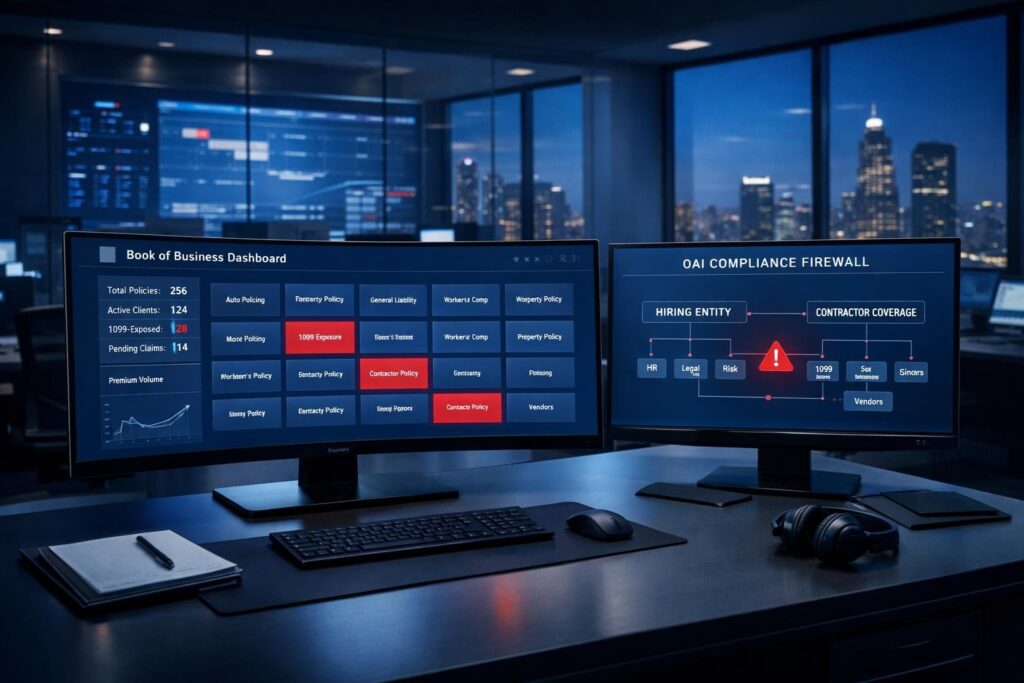
Every commercial agent sits on a book of clients quietly exposed to 1099 misclassification risk. This playbook shows agents how to cross-sell occupational accident insurance into their existing renewals using a three-question compliance test, a 90-second pitch framework, and the recurring revenue math most producers miss.
Last Mile Delivery Peak Season Contractor Risk: 2026 Audit Guide

Peak season transforms last mile delivery operations into a DOL audit minefield. Surge onboarding of 1099 drivers collapses documentation, blurs equipment control, and stacks misclassification factors overnight. This guide breaks down the Compliance Firewall every DSP and last mile operator needs in place before Q4 volume hits.
Staffing Agency 1099 Compliance: Protect Placements, Avoid Audits

Staffing agencies are the DOL’s number one audit target in 2026. Stripping support from contractors doesn’t fix classification risk — it just costs you talent. Here’s how occupational accident insurance builds a compliance firewall around 1099 placements without triggering reclassification.
DOL Audit Triggers: 7 Red Flags That Start 1099 Investigations

DOL audit triggers for 1099 misclassification are quieter than most business owners realize — routine data crosschecks, a single disgruntled contractor, or an industry-targeted sweep can open an investigation before you ever see a notice. This guide breaks down the seven red flags driving misclassification audits in 2026 and the compliance firewall that shuts them down.
OTR Fleet 1099 Compliance: Beyond the Lease Handshake
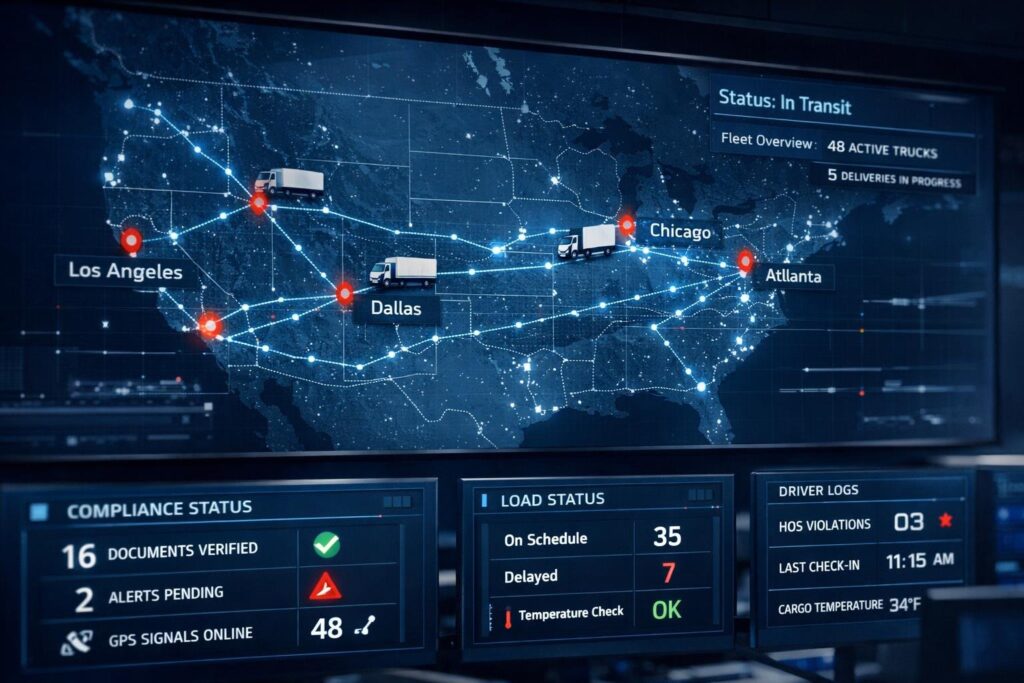
Lease agreements and 1099s no longer satisfy DOL investigators. OTR carriers face audits that examine economic reality — dispatch control, equipment mandates, and route assignment. Occupational accident insurance is the documented compliance layer that turns leased operators into legally defensible independent contractors.
Last Mile Delivery Insurance: When a 1099 Driver Gets Hurt

A 1099 delivery driver breaks an ankle on a residential porch. Without Occupational Accident Insurance, the hiring company faces a misclassification lawsuit, DOL audit, and six-figure exposure. This post walks through both scenarios and shows why last mile delivery insurance is non-negotiable.
Telehealth Contractor Compliance: The Hidden DOL Risk

The telehealth explosion brought thousands of 1099 clinicians into remote healthcare — and a massive DOL misclassification exposure most firms are ignoring. Learn how to build a compliance firewall with OAI coverage before regulators close the gap.
Cybersecurity Contractor 1099 Risk: Why Tech Firms Get Audited

Cybersecurity firms using 1099 contractors for pen testing, SOC monitoring, and incident response face escalating DOL audit risk. Embedded access, shift schedules, and client-controlled tooling create misclassification exposure that can trigger six- and seven-figure liabilities.
Hot Shot Trucking 1099 Compliance: The Classification Trap
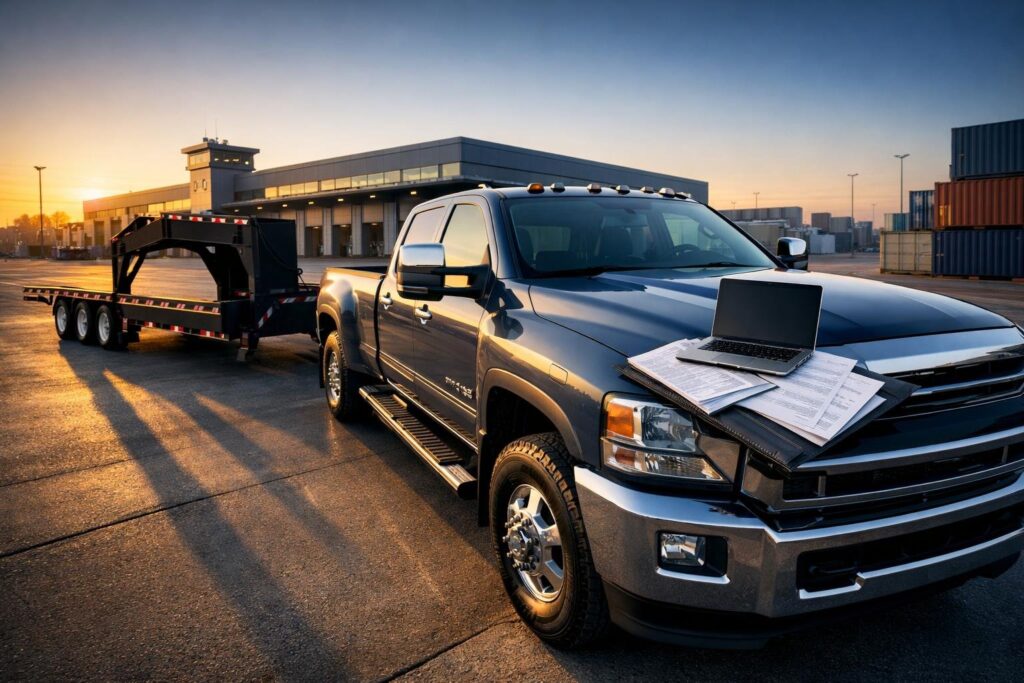
Hot shot carriers operate in a gray zone of 1099 classification that the DOL actively targets. Small fleets with minimal documentation are the easiest audit wins — here is how to close the compliance gap before it costs you everything.
Owner Operator Insurance Gap: The 2026 Carrier Liability Trap

The owner operator insurance gap is the silent liability that flips DOL misclassification claims back onto the motor carrier. Here is how the gap forms, why 2026 enforcement is making it worse, and the four-layer compliance firewall every carrier should be running before the next audit cycle.