
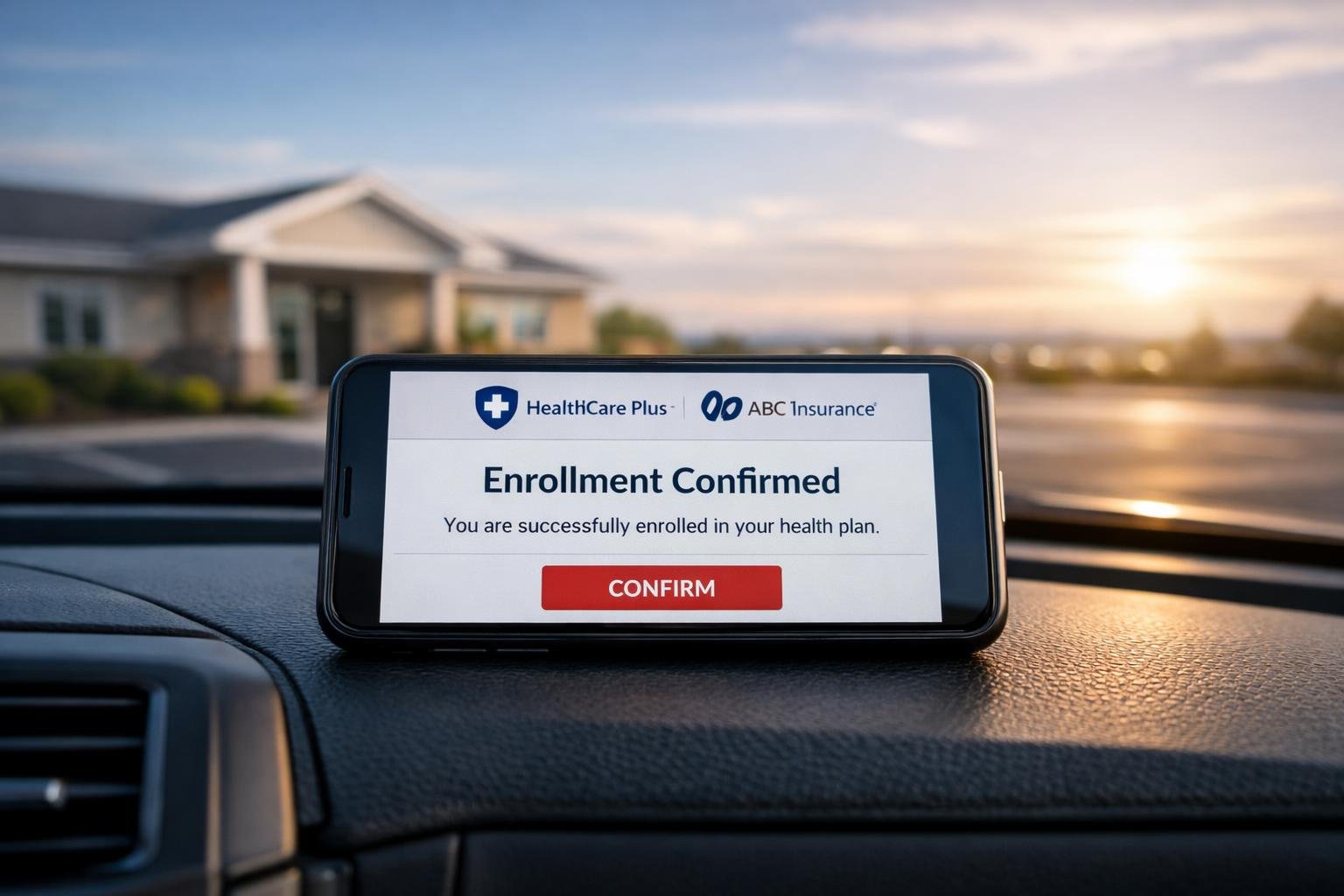
A commercial agency renewed a home health account last month with two lines on the file where there had been one. The second line, home health 1099 coverage for the client’s growing roster of independent nurses, was quoted, bound, and taking enrollments before the producer had pulled out of the client’s parking lot.
That is the whole story, and it is worth telling slowly, because the mechanics of how it happened are the mechanics available to any agency that gets appointed. No new staff. No new system. A producer with a phone, a co-branded enrollment page, and a client who had just said the words “we’ve been adding 1099 nurses.”
The account: a home health agency already on the book
The client is a private-duty home health agency in a mid-sized metro. Roughly forty W-2 aides, a scheduling office, two nurse supervisors. The agency had written the package policy and the professional liability for six years. Good account, clean loss history, renewed every year without much conversation.
Over the prior twelve months the owner had started building a bench of independent RNs and LPNs to cover overnight shifts, weekend cases, and a rural county the W-2 staff would not drive to. Eleven contractors by the time of the renewal meeting. Each on a 1099, each carrying their own license, each picking up shifts through the agency’s scheduling app.
None of that was on the account. Not because anyone hid it, but because nobody had asked, and because the markets the agency worked with did not have a placement that made it worth asking. Home health 1099 coverage was a line the producer had never quoted, on an account he had renewed six times.
Home health 1099 coverage, quoted from the parking lot
The producer had been appointed with the WORK Program nine days earlier. His agency’s co-branded storefront, with its logo, its colors, and his name pre-filled as producer on every form, had gone live the day after the paperwork cleared. He had the enrollment link saved as a text message template and had not yet used it.
At the renewal meeting the owner mentioned the nurse bench almost in passing. The producer asked three questions: how many, how are they paid, and do they carry any injury coverage of their own. Eleven, per visit, and no. He said he would send something over.
He sent it from the parking lot. One text, one link. The owner opened the Account Application on her phone between two client visits that afternoon. Five minutes: business details, roster size, states of operation, payment method. She hit submit at 2:40 p.m.
The quote came back within the hour. The producer called her, walked through the Outline of Coverage on the phone, and she bound at 4:15 p.m., the same afternoon, from the same phone. By Monday morning, nine of the eleven nurses had completed the participant application through the branded page on their own phones. The last two enrolled by Wednesday.
Total producer time on the new line, from first question to bind: about forty minutes, most of it the phone call.
What the rails did while nobody was watching
The parking-lot bind is the part people repeat. The part that made the account sticky happened over the next ninety days, and the producer did not touch any of it.
Billing tracked the roster in real time
Home health rosters move. The client’s independent bench went from eleven to nineteen in the first month and twenty-six by the end of the quarter, as the owner picked up two new overnight contracts. Pay-as-you-go billing on home health 1099 coverage followed headcount as it changed. No estimated annual premium, no deposit, no year-end premium audit that turns a growing client into an irritated one. The owner’s invoice each cycle matched who was actually on the schedule.
The processing fee went where it belongs
The client pays by card. The 3% processing fee is passed through to the insured at checkout, legally and transparently. The agency’s revenue on the line carried no billing labor and no absorbed card fees. A small number on one account, and a real number across a book of them.
The state line did not matter
One of the new overnight contracts was across a state line. The owner asked whether that changed anything. It did not. The program is available in all states without state-by-state endorsements, so the nurses working the out-of-state cases enrolled through the same page, on the same terms, with nothing added to the file.
Every form already credited the producer
Because the producer’s name was pre-filled on the storefront, every one of the twenty-six enrollments landed in the agency’s queue with attribution attached. No manual matching, no “which producer was this” at commission time.
The collateral was already printed
The 24 pieces of agency-branded collateral that arrived the day the storefront went live included a home health 1099 coverage one-pager. The producer had it in his bag at the renewal meeting. He left it on the owner’s desk on the way out, which is why she was reading it when the text with the link arrived.
The question the owner asked, and the answer that closed it
Every home health owner asks the same question, and this one asked it on the phone before binding home health 1099 coverage: “Don’t my W-2 policies cover them?”
The producer’s answer took one breath. Workers’ Comp is for W-2 employees. The WORK Program is for the 1099 economy. They are legally distinct tools for legally distinct workforces. Her forty aides were covered under one. Her independent nurses now had their own, with a documented paper trail of contractor independence built into every enrollment as a quiet backdrop.
That was the end of the conversation. She was not buying a shield; she was buying the ability to keep scaling the independent bench without the coverage question following her into every new contract negotiation.
The renewal, ninety days later
The package and professional lines renewed as they always had. The home health 1099 coverage line renewed alongside them: same producer, same file, a second line of premium on an account the agency already owned.
Two things happened that had not happened in six prior renewals. The owner asked the producer to present the 1099 line to her peer group, five other home health and hospice owners who meet monthly. And she referred a sister staffing firm that supplies independent therapists to the same rural county. That firm’s application came through the same branded page, from a phone, within the week.
The agency now opens every home health, hospice, and healthcare staffing conversation with the 1099 line. It has become the reason a prospect takes the meeting.
What home health 1099 coverage means for your book
If you write general commercial, you almost certainly have home health accounts (SIC 8082) on the book right now: package, professional, maybe auto for the visiting staff. A meaningful share of them have started building an independent nurse or aide bench in the last two years, for the same reasons this client did. Overnight coverage, weekend cases, rural counties, and specialty skills the W-2 roster cannot supply on demand.
Home health 1099 coverage is the cross-sell sitting on that account. The certificate is already in your file. The relationship is already yours. The only open question is whether you have a placement that binds in an afternoon from a phone, or one that turns a five-minute conversation into a three-week submission.
Multiple agencies are live on the platform writing home health 1099 coverage and lines like it. The pattern is the same each time: get appointed, the storefront goes live in a day, 24 pieces of agency-branded collateral land in the inbox, and the first bind comes from an account that was already on the book.
Run your commercial book through the 1099 exposure identifier and see how many 8082s surface. Read how the program fits the healthcare and home health workforce. Then get appointed, and send your first link from wherever you happen to be standing.